



Conservatorship Lawyers
Quick Overview: Your family's financial security and your loved one's dignity stay protected when incapacity threatens their well-being and assets. We provide expert conservatorship legal services in Manhasset, guiding affluent families through New York Article 81 guardianship proceedings with discretion, local court knowledge, and personalized strategies. Experience confident decision-making backed by attorneys who understand high-net-worth estate planning and treat your family's legacy with the care it deserves.
Understanding Conservatorship and Its Legal Purpose
Here's something most people don't realize: New York doesn't actually use the term "conservatorship." What you're looking for is Article 81 adult guardianship, a court-supervised process that gives someone legal authority over an incapacitated person's affairs. When simpler tools like powers of attorney or health care proxies were never set up (or they're just not working anymore), families turn to guardianship to protect loved ones from exploitation, medical neglect, or financial harm.
Core Legal Protections Under Article 81: Guardianship
- Tailored Authority: The court only grants the specific powers actually needed. Your loved one keeps as much independence as the law allows.
- Clear and Convincing Standard: You'll need physician statements, neuropsychological evaluations, and real evidence showing both incapacity and risk of harm.
- Court Evaluator Investigation: An independent evaluator interviews your loved one, reviews medical records, and reports back to help the judge decide.
- Ongoing Compliance Oversight: Guardians file their first report within ninety days, then annual accountings under MHL 81.31. Everything stays transparent and accountable.
We know Nassau County Supreme Court's guardianship part inside and out. Our team prepares petitions that meet every evidentiary standard and gets hearings scheduled without unnecessary delays. Contact us for a free consultation and find out how Article 81 guardianship can protect your loved one's health, safety, and financial security.
The Court Process for Establishing Conservatorship
Once you file an Article 81 petition in Nassau County Supreme Court, the court appoints an evaluator who investigates functional capacity, interviews your loved one, and submits findings under MHL 81.09. After the evaluator's report confirms clear and convincing evidence of incapacity and need, the court schedules a hearing. That's where we present physician statements, neuropsychological evaluations, and testimony showing why guardianship is the least restrictive option that actually works.
Following the hearing, the judge issues an order tailored to specific functional limitations, sets bond requirements under MHL 81.25, and authorizes letters of guardianship once you post the surety bond and take the oath. Contact us for a free consultation and see how our experience with Nassau County's guardianship part speeds up your timeline from petition to appointment while keeping you compliant with every procedural requirement.
Rights and Responsibilities of Conservators
Once you're appointed, conservators under New York Article 81 carry fiduciary duties that demand both legal compliance and ethical care. We guide conservators through these obligations from day one, making sure you understand your authority, reporting requirements, and personal liability exposure.
Core Fiduciary Duties and Compliance Obligations
- Least-Restrictive Exercise of Powers: You can only use the authority the court's tailored order actually grants you.
- Annual Accounting and Initial Report: MHL 81.31 requires detailed financial reporting within 60 to 90 days after appointment.
- Bond Maintenance and Asset Protection: Your surety coverage must match asset value plus income streams to protect the incapacitated person.
- Court Examiner Cooperation: You'll respond to examiner inquiries, deficiency notices, and compliance audits throughout your appointment.
- Personal Liability for Breach: Mismanagement, self-dealing, or missed reports can get you removed and hit with financial penalties.
Our team prepares conservators with training materials, reporting templates, and ongoing support to meet Nassau County Supreme Court standards. Contact us for a free consultation and make sure your fiduciary duties are managed with confidence and full compliance.
How Does Conservatorship Differ From Other Legal Arrangements?
New York Article 81 guardianship works fundamentally differently from powers of attorney because it kicks in after incapacity has already happened. A power of attorney requires capacity when you sign it and becomes void if someone challenges competency. A health care proxy only grants medical decision authority without financial powers. Supported decision-making agreements under MHL 81.41 preserve autonomy through assistance rather than substituted judgment. Guardianship becomes the court-supervised option when less-restrictive tools have failed or were never established.
We guide Nassau County families through the critical distinctions between Article 81 guardianship, SCPA Article 17-A for developmental disabilities, representative payee appointments, and voluntary alternatives like joint accounts or living trusts. Contact us for a free consultation and discover which legal pathway protects your loved one while honoring their remaining capacity and preferences under New York's least-restrictive mandate.
Accessibility and Service Coverage for Conservatorship Legal Support
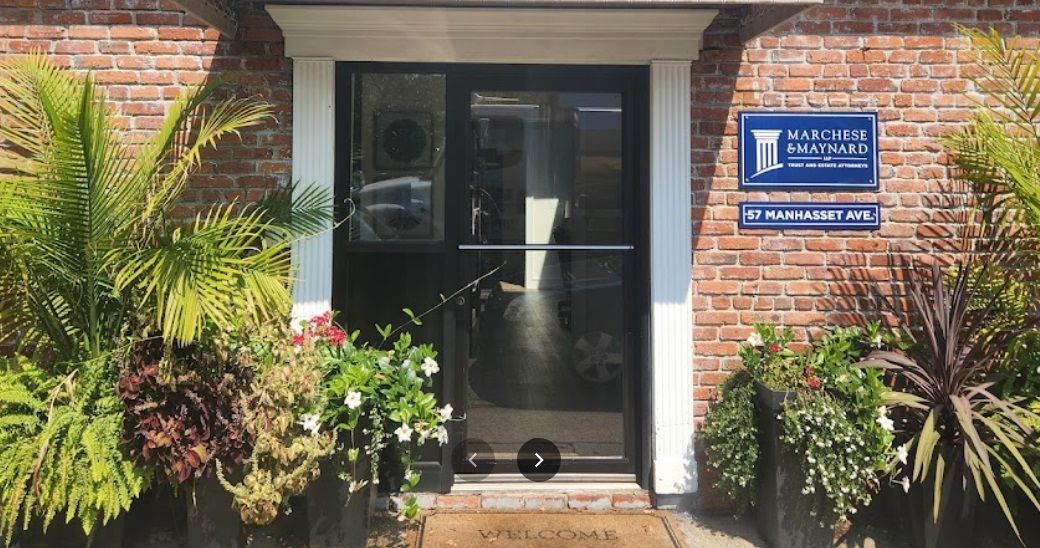
Our Manhasset office serves families throughout Nassau County with convenient access from a central North Shore location near Northern Boulevard and the Long Island Expressway. Our location provides straightforward travel for residents in Roslyn, Great Neck, Port Washington, and communities bordering Queens and western Suffolk County. Most families reach our office within 10 to 20 minutes outside rush hour, whether you're traveling east from Bayside and Little Neck or west from Oyster Bay and Glen Cove residential areas.
Quick Access & Coverage
- Located on Manhasset Avenue in central Nassau County, minutes from Northern Boulevard.
- Direct access via Northern Boulevard (Route 25A), Long Island Expressway (I-495), and Shelter Rock Road.
- Serves families from Great Neck, Roslyn, Port Washington, Manhasset Hills, and border areas near Queens and Glen Cove.
- Handles Article 81 guardianship and SCPA 17-A proceedings across Nassau County communities.
Our Manhasset office offers flexible scheduling with morning, afternoon, evening, and urgent consultation options, giving Nassau County families convenient access to experienced guardianship counsel without extensive travel or delay.
Frequently Asked Questions
How does Marchese & Maynard, LLP help families navigate the conservatorship process in New York?
Conservatorship attorneys guide families through court petitions, capacity evaluations, and ongoing compliance requirements while protecting the proposed conservatee's rights. Success depends on thorough documentation and understanding New York's specific guardianship statutes.
We handle every aspect of establishing a conservatorship for families in Manhasset, from filing initial petitions to representing clients at court hearings. Our attorneys prepare comprehensive medical documentation, coordinate with court evaluators, and make sure all procedural requirements are met under New York law. We also counsel families on their ongoing responsibilities once appointed, including annual accounting and reporting obligations. If you're concerned about a loved one's ability to manage their affairs, reach out for a consultation to discuss whether conservatorship is the appropriate legal solution for your situation.
What should families expect during their initial consultation with Marchese & Maynard, LLP about conservatorship matters?
An initial conservatorship consultation evaluates the proposed conservatee's capacity, family dynamics, and legal requirements to determine the appropriate guardianship structure. The assessment's depth depends on medical documentation availability and family agreement levels.
When you meet with us for a conservatorship consultation in Manhasset, we conduct a thorough assessment of your specific situation before recommending any legal action. This involves reviewing medical evaluations or cognitive assessments that document the individual's current capacity, discussing family relationships and potential conflicts among relatives, and explaining New York's legal standards for establishing conservatorship. We take time to understand whether a limited conservatorship might preserve some independence for your loved one or if a full conservatorship is necessary for their protection. You'll also learn about the court process ahead, including required documentation, hearing procedures, and the ongoing responsibilities that come with serving as a conservator.
We believe informed families make better decisions during emotionally challenging times. The consultation provides clarity about your options and helps you move forward with confidence. Contact us to schedule your initial meeting and get personalized guidance for your family's unique circumstances.
What red flags should families watch for when selecting a conservatorship attorney in New York?
Warning signs include attorneys who rush decisions without thorough evaluation, lack experience with New York Mental Hygiene Law, or fail to explain alternatives to conservatorship. The right attorney prioritizes the proposed conservatee's dignity and explores less restrictive options first.
Choosing the wrong conservatorship attorney can lead to prolonged court battles, unnecessary restrictions on your loved one's autonomy, and significant emotional strain on the entire family. Because conservatorship involves removing fundamental rights from an individual, families need an attorney who approaches these cases with both legal expertise and genuine compassion. Several warning signs can help you identify attorneys who may not serve your family's best interests or properly protect the rights of the person who needs help.
Warning Signs That Should Concern Families
● Pressure Without Assessment: An attorney who immediately recommends full conservatorship without discussing guardianship alternatives, limited conservatorship, or other less restrictive arrangements may not have your loved one's best interests at heart. Ethical attorneys explore every option before pursuing the most restrictive legal remedy.
● Vague Fee Structures: Conservatorship cases involve court filings, evaluations, and ongoing administration. Attorneys who cannot clearly explain their billing practices, court costs, or potential expenses create financial uncertainty during an already stressful time. Transparent professionals provide detailed fee agreements up front.
● Limited Court Experience: New York conservatorship proceedings require familiarity with local court procedures, judges' preferences, and Mental Hygiene Law requirements. Attorneys who practice primarily in other areas or lack recent conservatorship case experience may struggle to navigate the complexities efficiently.
● Poor Communication Patterns: If an attorney is difficult to reach during the consultation phase, that pattern will likely continue throughout your case. Conservatorship matters require ongoing communication as circumstances change, and families deserve responsive legal counsel who keeps them informed.
The right conservatorship attorney in the Manhasset area will take time to understand your family's unique situation, explain all available options, and demonstrate a track record of handling similar cases with sensitivity and skill. Schedule consultations with multiple attorneys to compare their approaches, ask about their experience with cases like yours, and trust your instincts about who will best advocate for both your family and your loved one's dignity throughout this challenging process.
Can family members represent themselves in a conservatorship proceeding without hiring an attorney?
Self-representation in conservatorship cases is legally permitted but creates substantial risk of procedural errors, incomplete filings, and court rejections that delay protection for vulnerable individuals. The complexity of New York guardianship law makes professional guidance essential for most families.
While New York courts allow self-representation in conservatorship matters, the process involves intricate legal procedures, strict documentation requirements, and court-mandated evaluations that can overwhelm families without legal training. Missing deadlines, filing incomplete petitions, or failing to properly notify interested parties can result in case dismissal or months of delays when a loved one needs immediate protection. Experienced legal counsel ensures compliance with statutory requirements, prepares persuasive evidence of incapacity, and navigates objections from other family members. Schedule a consultation to understand the specific requirements for your situation and avoid costly missteps that could jeopardize your loved one's well-being.
What happens if family members disagree about who should serve as conservator?
When family members dispute conservator selection, the court evaluates each candidate's qualifications, relationship to the proposed conservatee, and ability to fulfill fiduciary duties. Legal representation becomes essential to present evidence supporting your position and protect the vulnerable person's interests.
Disagreements among family members about conservator selection are more common than many people realize, and New York courts take these disputes seriously. The judge will examine each proposed conservator's financial stability, relationship history with the individual needing protection, availability to handle daily responsibilities, and any potential conflicts of interest. Courts prioritize the best interests of the person who needs protection above family politics or personal preferences. During contested proceedings, each side presents evidence, witness testimony, and documentation to support their position. The court may also appoint an independent evaluator to assess the situation and make recommendations. These disputes can become emotionally charged and legally complex, particularly when allegations of past misconduct or financial mismanagement surface. Having experienced legal counsel becomes critical in these situations, as attorneys can gather compelling evidence, prepare persuasive arguments, and navigate procedural requirements that laypeople often miss.
If your family faces disagreement about conservatorship arrangements, early legal guidance can prevent the situation from escalating unnecessarily. An attorney can help you understand your rights, evaluate the strength of your position, and explore whether mediation might resolve differences before a contested hearing becomes necessary. Contact our office to discuss your specific family dynamics and develop a strategy that protects your loved one's well-being.
What documents and evidence should be prepared before meeting with a conservatorship attorney?
Essential documents include medical records, financial statements, and proof of incapacity for the proposed conservatee. Thorough preparation accelerates the legal process and reduces consultation costs, though missing items can be obtained later with attorney guidance.
Walking into a conservatorship consultation well-prepared makes a substantial difference in how efficiently your case moves forward. Attorneys need specific documentation to assess the situation, determine the appropriate type of conservatorship, and begin drafting court petitions. While you don't need every document on day one, gathering core materials beforehand helps your legal team provide more accurate guidance and cost estimates during your initial meeting.
Documentation That Strengthens Your Conservatorship Petition
● Medical Evidence of Incapacity: Recent evaluations from physicians, psychiatrists, or neurologists that document cognitive decline, mental illness, or physical limitations preventing the individual from managing their affairs. Court-appointed evaluators will conduct additional assessments, but existing records establish the foundation for your petition.
● Complete Financial Picture: Bank statements, investment accounts, property deeds, outstanding debts, income sources like Social Security or pensions, and recent tax returns. This information helps determine whether you need conservatorship of the person, estate, or both and demonstrates to the court what assets require protection.
● Family Structure and Contact Information: Names and addresses of immediate family members who must receive legal notice of the proceedings. New York courts require notification of relatives who might object or wish to serve as conservator themselves, so having this information prevents delays.
● Prior Legal Documents: Existing powers of attorney, healthcare proxies, wills, or trust documents that might affect the conservatorship. These materials help attorneys identify whether less restrictive alternatives remain viable or if conservatorship is the necessary next step.
Bringing organized documentation to your first appointment allows attorneys to provide clearer direction and realistic timelines for your situation. If you're missing certain records, don't let that stop you from scheduling a consultation. Experienced conservatorship attorneys in the Manhasset area can guide you through obtaining necessary documents and help prioritize what the court will need most urgently. Reach out to discuss your specific circumstances and get a personalized checklist for moving forward.
